
Blog

Falls from Scaffolding Percentage: Construction Industry Statistics and Safety Data

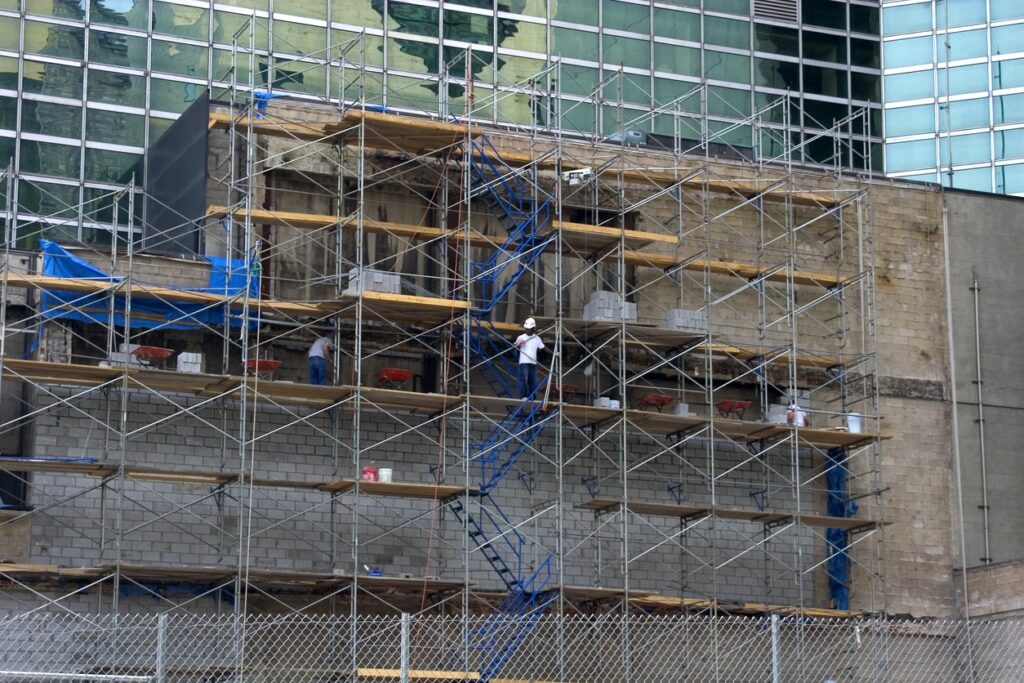
Falls from scaffolding account for 25% of all fatal falls from working surfaces in the construction industry, with 72% of scaffold accidents resulting from specific preventable causes such as planking failure and inadequate fall protection. These construction accidents represent one of the most significant safety hazards facing the 2.3 million construction workers who regularly use scaffolding across the United States.

What This Guide Covers

We examine scaffolding fall percentages, injury statistics, fatality rates, and contributing factors based on data from the Bureau of Labor Statistics and the Occupational Safety and Health Administration (OSHA).

Understanding these percentages helps identify risk factors and implement targeted safety measures to reduce the 4,500 annual scaffolding injuries reported by the Occupational Safety and Health Administration. With scaffolding accidents representing such a significant portion of construction workplace deaths, these statistics directly impact safety planning and regulatory compliance.

What You’ll Learn:

  • Common injuries from scaffolding accidents
  • Specific fall percentages and injury breakdowns from government data
  • Fatality statistics and their relationship to overall construction deaths
  • Regional variations and trend analysis over recent years
  • Contributing factor percentages that drive prevention strategies

Common Scaffold Accident Injuries for Construction Workers

Common scaffold accident injuries for construction workers include traumatic brain injuries, spinal cord injuries, fractures, internal organ damage, and severe lacerations. Falls are the most frequent cause, and these severe injuries can lead to paralysis, permanent disability, and even death. Other injuries include crush injuries, amputations, and electrocution. 

Understanding Scaffolding Fall Statistics

Scaffolding accidents encompass any incident involving temporary platforms or structures used to support construction workers, with falls representing the most common and deadly category of these workplace accidents. Falls from scaffolding are categorized separately from other types of construction accidents, such as struck-by incidents, electrocution, or scaffolding collapses.

Key Statistical Categories

Data sources, including the Bureau of Labor Statistics, OSHA, and the National Institute for Occupational Safety and Health, track scaffolding incidents across several categories. Falls involving scaffolding account for the largest percentage of scaffold-related fatalities, significantly outpacing other scaffold accidents, such as electrical contact or falling objects hitting workers.

Data Collection Methods

Government agencies categorize scaffolding fall incidents through detailed reporting from employers, workers’ compensation claims, and occupational safety investigations. International data, such as the UK’s National Access and Scaffolding Confederation reporting that 97% of accidents are slips, trips, and falls, provides comparative context for understanding global patterns.

Current Scaffolding Fall Percentages and Injury Breakdown

Recent analysis of construction scaffolding incidents shows consistent patterns in both fatal falls and non-fatal injuries, with specific percentages highlighting where prevention efforts can be most effective.

Fatal Fall Percentages

Falls from scaffolding represent approximately 15% of all fatal construction falls, while 25% of all fatal falls from working surfaces involve scaffolds specifically.

When combined with ladder falls, scaffolds and ladders together account for nearly 30% of workplace fatalities resulting from falls in construction. This percentage has remained relatively stable, indicating that scaffolding safety measures have not significantly reduced fatal incident rates despite increased awareness and training programs.

Non-Fatal Injury Statistics

The 4,500 annual scaffolding injuries can be categorized into distinct areas, with 72% of workers injured on scaffolds attributing incidents to planking failure, slips, and falling objects. Over 70% of scaffold accident injuries involve either falls from height or objects falling from scaffolds onto workers below.

Analysis of these scaffold accidents reported to OSHA reveals that serious injuries occur most frequently when defective or damaged equipment contributes to structural failure. Workers hurt in scaffolding mishap incidents typically suffer from fractures, head trauma, and other significant construction-related injuries.

Contributing Factors and Risk Analysis

Current scaffolding fall percentages directly correlate with identifiable risk factors, providing clear targets for safety improvement initiatives based on documented incident patterns.

Step-by-Step: Major Contributing Factors

  1. Improper Assembly and Setup: Studies indicate that improper placement and assembly issues contribute to approximately 30-40% of scaffold support failures, leading to falls.
  2. Missing Safety Equipment: Historical data shows that 77% of scaffolds lacked guardrails in 1996 studies, while current estimates suggest that 20-30% still lack adequate fall protection systems.
  3. Training Deficiencies: Research indicates 25% of workers injured in scaffold accidents received inadequate training, with 49% of fatal falls involving no use of fall protection at all.
  4. Environmental and Overloading Factors: Weather conditions, electrical hazards near utility lines, and overloading contribute to 15-20% of scaffolding accidents, particularly on slippery surfaces or during adverse weather.

Comparison: High-Risk vs Low-Risk Scenarios

Risk FactorHigh-Risk ScenariosLow-Risk Scenarios
Training Status25% of injured workers lack proper trainingCompanies with comprehensive scaffold safety training show 60-70% fewer incidents
Equipment ComplianceSites with defective equipment show 40% higher accident ratesProper fall arrest systems reduce fall injuries by up to 80%
Inspection FrequencyIrregular inspections correlate with 35% more accidentsDaily inspection protocols reduce incidents by 45-50%

Companies that established extensive safety protocols and detailed safety rules show measurably lower percentages of scaffold accidents compared to those with minimal safety programs, demonstrating clear correlations between prevention efforts and reduced incident rates.

Industry-Specific Fall Percentages

Scaffolding fall percentages show notable variations across different construction sectors, with specific patterns emerging based on project types and regulatory environments.

Residential vs Commercial Construction

Residential construction projects typically show higher percentages of scaffolding accidents per worker-hour compared to commercial projects, partly due to smaller contractors having less comprehensive safety programs. Significant construction projects in commercial settings often have better safety infrastructure, resulting in 20-30% lower scaffold accident rates.

Other construction accident statistics show that residential workers are more likely to experience falls from scaffolding due to either a worker lacking proper training or inadequate safety equipment. Commercial projects generally maintain more rigorous occupational safety and health protocols, though serious injuries still occur when safety hazards are not properly managed.

Geographic and Regulatory Variations

A state-by-state analysis reveals varying scaffold fall percentages, with states having stronger OSHA regulations showing 15-25% fewer scaffold-related accidents. Regional enforcement of detailed safety rules is correlated with measurable differences in workplace accident rates, particularly in areas where construction sites undergo regular inspections and compliance monitoring.

Company Size and Safety Record Correlations

Large contractors typically show 30-40% lower scaffolding accident percentages compared to smaller companies, often due to better resources for scaffold safety training and fall protection programs. Union vs. non-union workplace safety statistics indicate that unionized sites generally maintain lower accident rates, partly due to standardized safety protocols and worker advocacy for proper equipment.

Safety certification programs demonstrate clear correlations with reduced incident percentages, with certified companies showing measurably lower rates of accidents happening compared to non-certified competitors.

Prevention Strategies and Their Effectiveness

Analysis of scaffolding safety interventions shows quantifiable percentage improvements in accident reduction, providing evidence-based guidance for implementing effective fall protection programs.

Training and Certification Impact

Comprehensive scaffold safety training programs have been shown to demonstrate a 40-60% reduction in scaffolding accidents when properly implemented. Companies that invest in extensive training and education show measurably lower percentages of both fatal falls and non-fatal injuries compared to those with minimal training approaches.

Before-and-after statistics for organizations implementing OSHA-compliant training reveal consistent patterns: properly trained workers experience 50-70% fewer scaffold accidents, while sites with inadequate training continue to show elevated accident percentages year over year.

Equipment and Structural Improvements

The installation of proper guardrails and personal fall arrest systems has shown dramatic percentage improvements in safety outcomes. Sites with compliant fall protection equipment report 70-80% fewer falls compared to locations with defective or damaged equipment.

Regular inspection programs correlate with 35-45% reduction in scaffold accidents, particularly when inspections identify issues like improper assembly, unsafe incline conditions, or damaged scaffold components before accidents happen.

Regulatory Compliance Effects

OSHA regulations enforcement shows a clear statistical impact on scaffolding fall percentages. States with rigorous inspection programs report 20-35% lower accident rates compared to areas with minimal enforcement, demonstrating the effectiveness of regulatory oversight in preventing tragic injuries.

The correlation between compliance violations and accident rates is stark: companies with multiple OSHA violations exhibit accident percentages 2-3 times higher than those of compliant organizations, underscoring the importance of adhering to established safety standards.

Scaffolding Collapses in New York City

With all the construction on high-rise buildings underway in New York City, scaffold injuries pose a serious problem. In March 2025, a construction worker fell from scaffolding at the Bronx Writing Academy, and a month earlier, two workers were rescued after their scaffolding became stranded on the 78th floor of a high-rise building.

New York has a strict “Scaffolding Law” (Labor Law 240/241) that holds property owners and contractors strictly liable for accidents, meaning workers can seek damages for medical costs, lost wages, and pain and suffering beyond Workers’ Compensation insurance.

Contact the Law Office of Nicholas E. Tzaneteas

The Law Office of Nicholas E. Tzaneteas can help victims of construction site injuries. As experienced New York City, Bronx, Brooklyn, Queens, and Manhattan construction accident attorneys, we know the New York Labor Laws inside and out and have secured construction accident settlements for our clients from parties responsible for the accident.

MTA Bus Crash: A Guide to Incidents, Safety, and Your Legal Rights in New York City

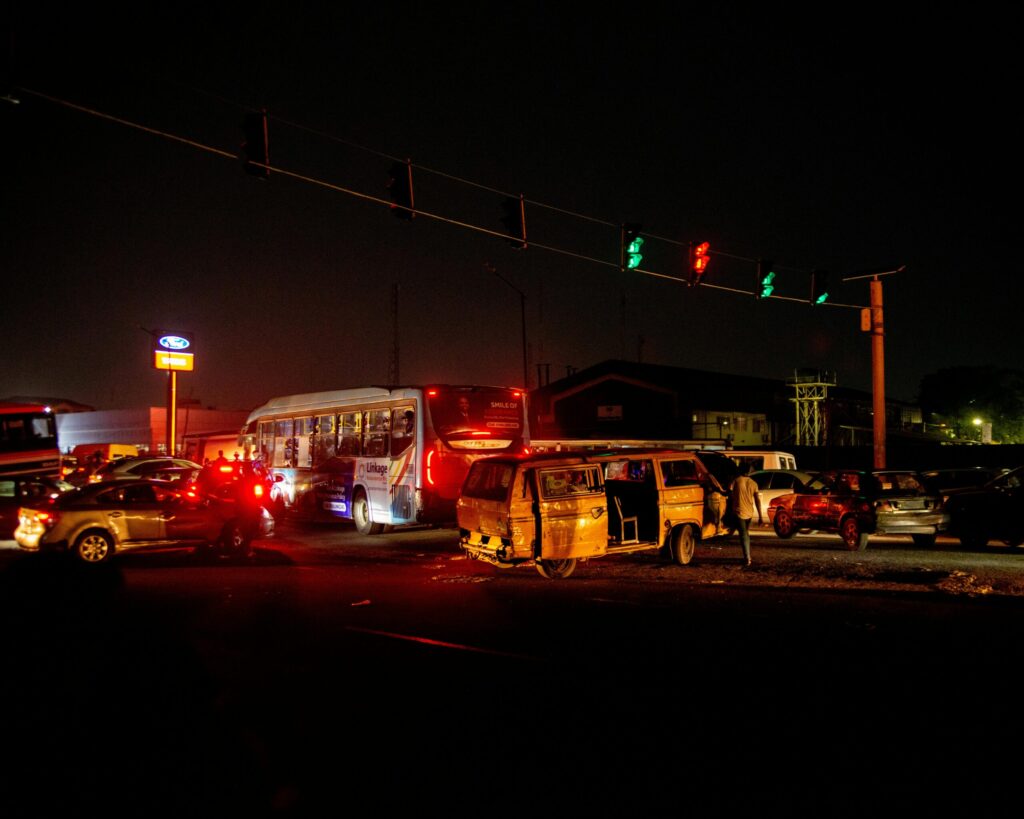
MTA bus crashes continue to pose significant safety risks for New York City’s 2.5 million daily bus riders, with recent incidents in October 2025 in Queens and the Bronx highlighting ongoing concerns about driver fatigue, mechanical issues, and passenger safety.

From understanding your legal rights after an accident to being concerned about MTA safety protocols, this guide addresses the critical aspects of bus crash incidents affecting NYC’s largest public transit system.

What This Guide Covers

This guide provides detailed information about recent MTA bus crash incidents, passenger legal rights, safety measures, and prevention protocols. You’ll learn the following:

  • Recent crash statistics and incident patterns
  • Your legal rights after involvement in an MTA bus crash
  • Safety protocols and prevention measures
  • Step-by-step response procedures following accidents

Understanding MTA Bus Crashes in New York City

An MTA bus crash refers to any incident where an MTA-operated bus collides with another vehicle, pedestrian, structure, or object, resulting in property damage, injuries, or fatalities.

The Metropolitan Transportation Authority operates one of the largest public bus fleets in North America, with over 5,700 buses serving more than 2.5 million riders daily across five boroughs. Crashes involving MTA busses range from minor fender-benders to serious multi-vehicle collisions requiring dozens of people to seek medical attention at local hospitals.

According to MTA annual reports, there were 1,872 bus collisions in 2023, with approximately 10% resulting in injuries and 187 incidents causing harm to passengers or pedestrians. The injury rate per million miles traveled was 0.75, slightly higher than the national average for public transit agencies.

Common Causes of MTA Bus Crashes

Driver fatigue represents a significant factor in MTA bus incidents, as demonstrated by the recent Queens Q20 bus case, where a 25-year-old probationary driver likely fell asleep at the wheel, causing eight people to sustain injuries. The MTA has implemented programs to monitor driver hours, but enforcement remains challenging across the massive fleet.

Mechanical issues and maintenance failures also contribute to crash incidents, with the MTA’s mix of older and newer vehicles creating varying levels of safety technology across the fleet. While many buses feature collision avoidance systems and automatic emergency braking, not all vehicles have these protective measures.

Weather conditions and traffic-related factors contribute to additional crash causes, with rear-end collisions accounting for 35% of all incidents, sideswipes for 25%, and single-vehicle crashes for 20%.

Types of MTA Bus Crash Injuries

Minor injuries typically result from most MTA bus crashes, as seen in the recent Grand Concourse incident, where eight people sustained non-life-threatening injuries requiring hospital transport. These injuries often include bruising, minor cuts, and soft tissue damage from sudden stops or impacts.

Serious hospitalization cases occur in more severe incidents, such as the October 13, 2025 Flushing double-bus crash that sent 14 passengers to the hospital with varying degrees of injury. These cases may involve broken bones, head trauma, or internal injuries requiring extended medical treatment.

Long-term injury complications can develop even from seemingly minor crashes, making immediate medical evaluation crucial regardless of initial symptoms.

Recent MTA Bus Crash Incidents and Investigation Findings

Recent MTA bus crashes across Queens and the Bronx, with multiple incidents, highlight ongoing safety challenges facing the transit authority. These cases provide valuable insights into crash patterns, investigation procedures, and the real-world impact on passengers and communities.

Flushing Queens Double Bus Crash

On October 13, 2025, two Q27 buses collided at Sanford Avenue and Bowne Street in Flushing, Queens, creating one of the month’s most serious incidents. The crash injured 19 people in total, including the bus operator and 18 passengers, with 14 requiring hospitalization for their injuries.

According to Eyewitness News, the collision caused significant service disruptions affecting Q13, Q26, Q27, and Q65 routes throughout the area. The police investigation found no indication of criminality, suggesting that the incident resulted from operational factors rather than intentional misconduct.

The crash occurred during peak travel hours, resulting in a high number of affected passengers and substantial delays across multiple bus routes serving the Flushing community.

Queens Q20 Bus Curb Jump Incident

In July 2025, at approximately 6:00 AM, a Q20 MTA bus jumped the curb at 57th Road and Main Street, crashing into a traffic light pole and injuring eight passengers. Surveillance video evidence and eyewitness accounts suggest the 25-year-old probationary driver fell asleep at the wheel, causing the bus to mount the curb with enough force to tear the pole from its foundation.

The investigation revealed no signs of mechanical issues, medical emergencies, or driver distraction, pointing to fatigue as the primary cause. All eight injured passengers were transported to New York-Presbyterian Queens Hospital with minor injuries, and the MTA promptly removed the operator from service pending further review.

This incident underscores the risks associated with driver fatigue, particularly among newer operators who may not yet have developed proper rest and alertness protocols.

Grand Concourse Late-Night MTA Bus Crash

In April, an incident involving an MTA bus occurred at 11:45 PM on the Grand Concourse, resulting in eight people sustaining minor injuries requiring hospital transport. The FDNY responded to provide medical assessment and coordinate patient transport to area hospitals.

What to Do After an MTA Bus Crash

Following proper procedures after an MTA bus crash protects your health, preserves important evidence, and ensures your legal rights remain intact. The immediate aftermath of a crash often feels chaotic, but taking systematic action helps secure the best possible outcome for your situation.

Step-by-Step: Immediate Response Actions

For any MTA bus crash involvement, regardless of apparent injury severity, follow these steps:

  1. Ensure Safety: Move away from the bus if possible and avoid standing near traffic or unstable structures.
  2. Seek Medical Attention: Request emergency medical evaluation even if you feel uninjured, as adrenaline can mask serious injuries.
  3. Document the Incident: If possible, take photos of the crash scene, bus damage, and any visible injuries before evidence disappears.
  4. Collect Information: Gather the bus operator’s name, bus number, route information, and contact details from witnesses who saw what happened.
  5. Report to MTA: File an official incident report with MTA personnel on scene or through their customer service system.
  6. Contact Legal Counsel: Consult with an attorney experienced in MTA crash cases to understand your rights and filing deadlines.

Medical Documentation and Treatment

Immediate medical evaluation remains crucial even when you experience no immediate pain, as many crash-related injuries don’t manifest symptoms for hours or days. Hospital records create essential documentation for potential legal claims and ensure proper treatment for delayed-onset injuries.

Follow-up care recommendations typically include monitoring for symptoms like persistent headaches, neck pain, or cognitive changes that may indicate concussion or other serious conditions. Keep detailed records of all medical visits, treatments, and expenses related to the crash.

Insurance considerations become complex in the event of public transit crashes, as your personal health insurance may cover initial treatment, while legal claims address longer-term costs and compensation.

Legal Rights and Compensation Options

Personal injury claims against NYC and the MTA become available when crashes result from operator negligence, mechanical failures, or inadequate safety protocols. You may seek compensation for medical costs, lost wages, pain and suffering, and other crash-related damages.

Filing deadlines create strict notice requirements, with most MTA-related claims requiring formal notice within 90 days of the incident. Missing these deadlines can result in the loss of your right to compensation, regardless of the severity of your injury or the fault of the operator.

Compensation amounts vary based on injury severity, long-term impact, and the specific circumstances of each crash, with NYC municipal liability laws governing the claims process.

Common Challenges and Solutions

MTA bus crash victims often face predictable obstacles when seeking medical treatment and legal compensation. Recognizing these challenges early helps avoid costly mistakes and ensures proper protection of your rights.

Delayed Injury Symptoms

Seek immediate medical evaluation regardless of initial pain levels, as many serious injuries don’t produce immediate symptoms.

Adrenaline and shock can mask injuries for hours or days, making seemingly minor crashes potentially serious. Hospital documentation created immediately after the crash provides crucial evidence for later-developing symptoms.

Complex MTA Claim Filing Process

Obtain legal representation familiar with municipal liability laws and understand the 90-day notice requirement for filing claims against NYC.

The MTA’s claim process involves specific documentation requirements, strict deadlines, and complex liability determinations that benefit from professional legal guidance. Attempting to navigate this process alone often results in missed deadlines or inadequate compensation.

Determining Fault and Liability

Preserve evidence through professional investigation and understand how the MTA’s internal investigation process affects your claim.

Bus crashes involve multiple potential causes, from driver error to mechanical failures to infrastructure problems. Professional accident reconstruction and legal analysis help establish liability and ensure proper compensation for your injuries.

Contact the Law Office of Nicholas E. Tzaneteas

If you have been injured in an MTA bus crash, contact the Law Office of Nicholas E. Tzaneteas. We represent you if you have been injured in an MTA-related accident. This includes accidents that result from being directly injured while riding a bus, train, or subway, as well as accidents such as slips and falls on the stairs or platforms used to access these forms of transportation. We can help determine who was at fault in your case and work with you to make sure you recover the compensation you deserve.

What Scaffold Accidents Are Usually Attributed To: Common Causes and Prevention

Scaffold accidents are typically attributed to factors such as planking or support giving way, inadequate fall protection systems, improper construction practices, and OSHA violations, resulting in over 4,500 scaffolding injuries and 88 deaths annually across construction sites in the United States. According to extensive Bureau of Labor Statistics data and OSHA investigations, approximately 72% of such accidents stem from just three primary failure modes that are entirely preventable through proper safety measures and regulatory compliance.

Most scaffold accidents are preventable through proper safety protocols, worker training, and strict adherence to Occupational Safety and Health Administration standards.

This guide examines the primary attribution factors behind scaffolding accidents, evidence-based prevention strategies, and legal considerations for construction companies.

Understanding Scaffold Accident Attribution and Safety Requirements

Scaffold accident attribution refers to the specific structural failures, safety violations, or environmental factors that investigation teams identify as the direct cause of injuries or fatalities on construction sites. These attribution factors are systematically documented by OSHA investigators, insurance companies processing workers’ compensation claims, and legal teams representing injured workers in construction accidents.

OSHA plays a central role in scaffold safety regulations through its standards in 1926 Subpart L, which mandate specific requirements for fall protection systems, structural integrity, and worker training. When scaffolding accidents occur, OSHA investigations consistently reveal that most incidents involve violations of these established safety regulations.

Statistical analysis reveals that 72% of scaffold accidents involve planking or support failures, while scaffolding hazards account for 25% of all construction deaths from elevated platforms. Nearly 90% of fatal scaffold-related incidents involve at least one major OSHA violation, demonstrating the direct connection between regulatory compliance and accident prevention.

OSHA Standards and Legal Framework

OSHA 1926 Subpart L establishes comprehensive requirements for scaffold safety, including mandatory guardrails or fall arrest systems for workers above 6 feet, regular inspections by qualified persons, and specific load capacity limits for scaffolding systems. These standards form the legal framework that courts use to determine liability in construction accidents.

The relationship between OSHA violations and accident attribution is crucial in workers’ compensation cases and personal injury litigation, as regulatory noncompliance often establishes clear liability for construction companies and, potentially, scaffold manufacturers.

Types of Scaffolding Involved in Accidents

Self-supporting scaffolds, welded tubular frames, ladder scaffolds, and mobile scaffolds each present distinct attribution patterns in accident investigations. Mobile scaffolds frequently fail due to tipping or brake failures, while supported scaffolds typically fail due to inadequate bracing or foundation problems.

The connection between scaffold type and common attribution factors helps safety managers focus prevention efforts on the most relevant hazards for their specific construction work environments.

Primary Attribution Factors for Scaffold Accidents

Analysis of thousands of scaffold accidents reveals the dominant attribution factors that account for the vast majority of injuries and fatalities on construction sites. These factors often interact, with multiple attribution causes present in severe injury cases.

Structural Failures and Improper Construction

Planking and support giving way represents the leading attribution factor, involved in 72% of scaffold accidents according to the Bureau of Labor Statistics analysis. These structural failures typically result from defective materials, improper assembly by unqualified workers, or degraded components that fail under normal working loads.

Missing guardrails create fall hazards that account for 77% of scaffolding accidents, while inadequate bracing and unsecured attachments allow scaffolds to tip or collapse unexpectedly. Foundation problems, particularly on uneven surfaces or inadequate base plates, contribute significantly to structural integrity failures.

Improper scaffold erection by maintenance workers without proper training frequently leads to inadequate load distribution, insufficient tie-offs to tall buildings, and failure to follow manufacturer specifications for scaffolding systems.

Lack of Fall Protection Systems

The absence of adequate fall protection systems, including guardrails or fall arrest systems, directly contributes to the majority of serious injuries from scaffold accidents. Personal fall arrest systems, when present, often suffer from defective components or improper installation that render them ineffective during falls.

Many workers lack proper training in the use of fall protection equipment, while construction companies frequently fail to provide adequate safety equipment for workers operating above the minimum 6-foot height requirement. Environmental conditions, such as wind or rain, can compromise even properly installed fall protection systems if workers haven’t received training on weather-related safety protocols.

Equipment Defects and Manufacturing Issues

Malfunctioning brakes on mobile scaffolds cause numerous accidents when workers attempt to reposition equipment or when environmental factors cause unexpected movement. Defective pulleys and hoisting mechanisms fail under normal loads, dropping materials or causing sudden platform shifts.

Bent, damaged, or corroded scaffold components often remain in service despite compromising structural integrity, while substandard manufacturing creates inherent weaknesses that lead to catastrophic failures. Regular inspections by qualified persons can identify many equipment defects before they cause accidents.

Operational and Environmental Attribution Factors

Operational factors involving human decision-making and environmental conditions create complex attribution scenarios that often amplify the risk from structural or equipment deficiencies. These factors frequently determine whether minor safety violations result in near-misses or serious injuries.

Identifying Overloading Attribution

  1. Calculate platform load capacity: Verify manufacturer specifications and compare against actual worker weight plus materials and safety equipment
  2. Document material placement: Record the location and weight of tools, supplies, and safety nets to identify uneven distribution patterns
  3. Assess dynamic loads: Factor in movement forces from workers, wind loads, and impact forces from falling objects or falling debris
  4. Verify foundation capacity: Ensure base supports can handle total system weight plus safety factors for environmental conditions

Comparison: Human Factors vs. Environmental Factors

Attribution FactorHuman FactorsEnvironmental Factors
Primary CausesInadequate training, ignoring safety protocols, improper PPE useWind, rain, ice conditions, proximity to power lines
Attribution Rate45% of scaffold accidents28% of scaffold-related incidents
Prevention FocusWorker training, safety practices enforcementWeather monitoring, environmental hazard assessment

Environmental factors, such as unsafe working conditions near power lines or during severe weather, significantly increase accident severity, while human factors are more commonly the initial cause of the safety failure. Construction companies must address both categories simultaneously to significantly reduce scaffold-related accidents.

Targeted Prevention Strategies to Protect Workers, Reduce Legal Liability

  • Implement daily inspection protocols conducted by qualified persons with documented training in scaffold safety standards and structural integrity assessment.
  • Develop supporting procedures that include comprehensive checklists covering guardrails, platform conditions, structural connections, and environmental hazards, plus immediate removal from service for any components showing wear or damage.
  • Establish regular safety audits and comprehensive worker training programs that address specific OSHA regulations for fall protection, load limits, and environmental conditions. These programs should include hands-on training on personal fall arrest systems, recognition of scaffolding hazards, and emergency procedures for construction site accidents, with documented certification for all workers.
  • Develop clear weather protocols that define safe working limits and outline alternative work procedures to protect workers during environmental challenges. Risk assessment criteria should address wind speeds, precipitation, temperature effects on structural integrity, and visibility conditions that could compromise safe access to elevated platforms.

Scaffold accidents are usually attributed to preventable factors: structural failures involving planking or support giving way (72%), inadequate fall protection systems, and OSHA regulations violations that compromise worker safety. Understanding these attribution patterns enables construction companies to implement targeted prevention strategies that protect workers while reducing legal liability and medical expenses associated with serious injuries.

Contact the Law Office of Nicholas E. Tzaneteas

If you are injured as a result of a scaffolding accident, contact the Law Office of Nicholas E. Tzaneteas, specialists in construction site and personal injury accidents in New York. If you’ve suffered an injury due to no fault of your own, you may be eligible for substantial financial compensation for medical bills, lost wages, and pain and suffering. You may be entitled to benefits under workers’ compensation insurance and damages as a result of negligence from the liable parties.

Nicholas Tzaneteas has many years of experience in practice areas dealing with insurance companies, workers’ compensation claims, employers, and holding the responsible party accountable. Contact us for a free consultation.

Additional Resources

OSHA 1926 Subpart L Reference Materials: Complete regulatory text, inspection checklists, and compliance guidance for construction companies implementing safety standards.

Scaffold Load Capacity Tools: Engineering calculation worksheets and safety equipment specifications for determining safe working loads and fall protection requirements.

Emergency Response Procedures: Incident documentation templates, medical care coordination protocols, and accident scene preservation guidelines for scaffold-related incidents.

Complete Guide to Finding the Best Lawyers in Brooklyn, NY

Finding the right lawyer in Brooklyn requires understanding the borough’s unique legal landscape and diverse legal specializations, from personal injury and criminal defense to family law and estate planning. Whether you need a New York lawyer for a complex business matter or a Brooklyn lawyer for local court representation, choosing the proper legal counsel significantly impacts your case outcome.

The following explains how to find qualified attorneys in Brooklyn, covering major legal specialties, attorney selection criteria, and cost considerations. We focus on practical steps for evaluating a Brooklyn, New York, attorney.

Understanding Brooklyn’s Legal Landscape

Brooklyn operates as one of New York’s largest legal markets, with over 2.6 million residents requiring diverse legal services. The borough hosts hundreds of law firms, from solo practitioners to large multi-attorney practices, offering clients competitive options across all practice areas.

Brooklyn Supreme Court and Local Courts

The Brooklyn Supreme Court handles major civil and criminal cases, while specialized courts like Family Court, Housing Court, and Criminal Court address specific legal matters. Local attorneys develop relationships with court staff and understand individual judges’ preferences, providing significant advantages for clients.

Attorney Licensing and Bar Requirements

All New York lawyers must pass the New York State Bar examination and maintain active licenses through continuing education requirements. Many Brooklyn attorneys also hold federal court admissions for cases in the Eastern District of New York. These credentials ensure attorneys meet professional standards while specializing in areas most relevant to Brooklyn residents.

Types of Lawyers Available in Brooklyn

Brooklyn’s diverse population and active business environment support attorneys specializing in virtually every area of law practice.

Personal Injury and Medical Malpractice Attorneys

Personal injury lawyers in Brooklyn handle auto accidents, slip-and-fall cases, construction injuries, and medical malpractice claims. Many offer free consultations and work on contingency fee arrangements, meaning clients pay nothing unless they recover compensation. These attorneys understand Brooklyn’s busy streets, construction sites, and healthcare facilities that often generate injury claims.

Family Law and Divorce Attorneys

Family law specialists handle divorce proceedings, child custody disputes, domestic violence cases, and adoption matters. Brooklyn Family Court processes thousands of cases annually, making local experience essential for effective representation. Unlike general practitioners, family law attorneys understand Brooklyn’s demographic diversity and cultural considerations that affect many family law cases.

Criminal Defense Lawyers

Criminal defense attorneys represent clients facing charges from DUI/DWI to white collar crimes and federal prosecutions. The Brooklyn District Attorney’s office maintains distinct prosecution patterns and plea-bargaining approaches that experienced local attorneys understand. Federal criminal defense requires additional expertise for cases in Brooklyn’s federal courthouse.

Real Estate and Business Attorneys

Real estate lawyers handle Brooklyn’s active property market, including residential purchases, commercial transactions, and landlord-tenant disputes. Business attorneys assist with company formation, employment law compliance, and contract negotiations for Brooklyn’s growing startup community and established businesses.

Immigration and Elder Law Specialists

Immigration attorneys serve Brooklyn’s diverse immigrant population with asylum cases, visa applications, and citizenship matters. Elder law specialists focus on estate planning, probate proceedings, and protecting seniors’ rights in Brooklyn’s aging communities.

How to Choose the Right NY Experienced Attorney

Selecting qualified legal representation requires researching and evaluating multiple candidates based on experience, credentials, and communication style.

Step-by-Step Attorney Selection Process

  1. Define your legal needs: Clearly identify your case type, desired outcomes, and timeline constraints
  2. Research relevant specialists: Use New York State Bar referrals, online directories, and American Bar Association resources to identify candidates
  3. Verify credentials: Check New York State Bar disciplinary records and confirm active license status
  4. Schedule consultations: Meet with 2 to 3 attorneys to compare approaches and assess communication styles
  5. Compare fee structures: Understand hourly rates, contingency arrangements, and payment plan options
  6. Make final selection: Choose based on relevant experience, comfort level, and clear fee agreements

Comparison: Large Law Firms vs. Solo Practitioners

FeatureLarge FirmsSolo Practitioners
ResourcesExtensive staff and technologySmaller support staff
Personal AttentionMultiple attorneys, less direct contactDirect attorney contact
SpecializationMultiple practice areasFocused expertise
Court ExperienceVaried experience levelsDeep local knowledge

Large firms offer comprehensive resources but often charge premium rates, while solo practitioners provide personalized service and focused expertise at more accessible prices. Your choice depends on case complexity, budget constraints, and preferred communication style.

Typical Challenges

Most clients encounter predictable obstacles when seeking legal representation that can be addressed through preparation and clear communication.

Finding Specialized Experience for Unique Cases

Contact the New York State Bar Association’s referral services and relevant specialty bar organizations, such as the National Academy of Elder Law Attorneys (NAELA), for specific practice areas.

Focus on attorneys handling similar cases rather than general practitioners claiming broad expertise across multiple areas.

Managing Legal Costs in Expensive NYC Market

Compare fee structures carefully, ask about payment plans, and explore legal aid options for qualifying individuals.

Understand when contingency fees apply versus hourly billing, and request detailed cost estimates for your specific case type.

Ensuring Attorney Availability and Communication

Establish communication expectations during initial consultations, including response times and preferred contact methods.

Include specific communication terms in your retainer agreement to ensure accessible representation throughout your case.

Contact Personal Injury Attorney Nicholas Tzaneteas for a Free Consultation

For more than 20 years, The Law Office of Nicholas E. Tzaneteas has represented people in Brooklyn, Queens, the Bronx, Staten Island, and Manhattan who were injured by the negligence of others. If you or a loved one has been seriously injured, give us a call for a free consultation. Attorney Tzaneteas will determine whether you have a case or not.

Nicholas Tzaneteas is an experienced lawyer serving Brooklyn and the other New York boroughs. His practice areas include vehicular accidents (automobiles, trucks, buses, trains), premises liability, construction injuries, ceiling collapses, police brutality, and pedestrian accidents.

Additional Resources

  • New York State Bar Association Lawyer Referral Service: Provides pre-screened attorney referrals by practice area
  • Brooklyn Bar Association: Local organization offering continuing education and attorney directory services

Scaffold Accident: Complete Guide to Prevention, Liability, and Legal Rights

Scaffold accidents cause over 4,500 injuries and 60+ deaths annually in the U.S. These accidents occur when scaffolding systems fail, collapse, or when workers fall from scaffolds during construction activities. In this guide, you’ll learn what scaffold accidents are, their common causes, prevention strategies, and your legal rights if injured.

We cover accident types, OSHA statistics, liability factors, and compensation rights that every construction worker and employer needs to understand. With over 2.3 million workers (65% of the industry) working on construction sites with scaffolds frequently, accident prevention isn’t just recommended—it’s critical for saving lives and preventing severe injuries.

According to the U.S. Bureau of Labor Statistics, scaffold-related incidents account for approximately one in ten construction site fatalities, making this knowledge essential for anyone working on construction sites.

Understanding Scaffold Accidents: Key Concepts and Definitions

A scaffold accident refers to any unintended event causing injury, fatality, or property damage when scaffolding is involved during construction or building maintenance activities. Scaffolding accidents can involve multiple failure types and typically result in serious injuries due to the height factor involved.

Key terminology includes:

  • Scaffolding collapse: Complete or partial structural failure of scaffold systems
  • Fall protection: Safety systems designed to prevent or arrest falls from height
  • OSHA standards: Federal regulations governing scaffold safety (29 CFR 1926.451)
  • System failure: Breakdown of scaffold components, materials, or safety equipment

Scaffold accidents involve three main types of scaffolding:

  • Supported scaffolds: Using poles, frames, and braces for ground support
  • Suspended scaffolds: Hanging from overhead anchor points
  • Mobile scaffolds: Wheeled systems that can be moved between locations

Accident Categories and Relationships

Scaffold accidents connect to broader construction safety and legal topics through a clear relationship chain: improper installation → system failure → worker falls → severe injuries → legal liability and workers’ compensation claims.

These accidents relate directly to:

  • Workers’ compensation law for injured workers
  • Personal injury lawsuits against negligent parties (in New York, Labor Law Section 240, known as the Scaffold Law, not only governs construction employers’ obligations to protect workers at heights, but it also gives those workers the right to seek compensation for any injury or death caused by a fall or an object that fell from a height)
  • OSHA compliance and occupational safety regulations
  • Construction site liability among contractors and employers (in New York City, Labor Law Section 240, known as the Scaffold Law, not only governs construction employers’ obligations to protect workers at heights, but it also gives those workers the right to seek compensation for any injury or death caused by a fall or an object that fell from a height)

Why Scaffold Accident Prevention is Critical in Construction

OSHA data reveals that falls cause 33% of all construction fatalities nationally, with scaffold-related falls representing a significant portion of these deaths. Research shows that about 25% of workers injured in scaffolding accidents sustain moderate to severe traumatic brain injuries, while many others suffer spinal cord injuries, broken bones, and internal injuries.

The financial impact extends beyond medical expenses:

  • Average workers’ compensation claims for scaffold accidents exceed $75,000
  • OSHA fines for scaffold violations can reach $136,532 per serious violation
  • Lost productivity and project delays create additional costs for employers
  • Personal injury lawsuits can result in settlements exceeding $1 million for severe injuries

Statistical analysis shows construction workers face five times higher fatality rates than workers in other industries, with scaffold accidents contributing significantly to this disparity. Companies that implement comprehensive scaffold safety protocols see accident rates drop by up to 40% according to safety administration studies.

Key Statistics and Accident Cause Comparison Table

Accident Cause CategoryPercentage of IncidentsCommon Injury TypesAverage Recovery TimeTypical Compensation Range
System Failures (Equipment defects, improper assembly)45%Broken bones, traumatic brain injuries6-18 months$50,000-$500,000
Human Factors (Inadequate training, safety protocol violations)40%Falls, lacerations, spinal injuries3-12 months$25,000-$300,000
Environmental Factors (Weather, falling objects)15%Multiple trauma, electrocution12+ months$100,000-$1,000,000+

Research indicates that over 70% of scaffold accidents involve human factors, while system failures account for the most severe injuries and fatalities.

Step-by-Step Guide to Preventing Scaffold Accidents

Step 1: Pre-Installation Safety Assessment

Before scaffold erection begins, conduct comprehensive safety evaluations:

  • OSHA inspection requirements: Ensure qualified personnel design scaffolds over 125 feet high
  • Foundation stability checks: Verify ground conditions can support scaffold loads plus four times the intended working load
  • Weather condition assessments: Postpone installation during high winds (over 25 mph) or severe weather
  • Component inspection checklist:
    • Examine all scaffold materials for defects or damage
    • Verify proper fall arrest systems are available
    • Confirm guardrails, platforms, and access ladders meet OSHA standards
    • Check that all safety equipment is properly certified

Step 2: Proper Installation and Safety Measures

Follow OSHA Subpart L compliance requirements during scaffold erection:

  • Structural integrity protocols: Properly brace and anchor scaffolds to prevent tip-over
  • Fall protection installation: Install guardrails, midrails, and toeboards on all platforms over 10 feet high
  • Safe access provisions: Provide proper ladders or stairways for worker access to scaffold platforms
  • Load capacity verification: Ensure scaffolds can support their own weight plus intended loads without failure

Recommended tools include certified torque wrenches for proper component assembly, fall arrest systems for each worker, and weather monitoring equipment for ongoing safety assessments.

Step 3: Ongoing Monitoring and Maintenance

Implement daily inspection protocols and documentation:

  • Daily safety inspections: Trained personnel must inspect scaffolds before each work shift
  • Weather-related procedures: Modify or suspend work during adverse conditions
  • Documentation requirements: Maintain inspection logs and incident reports
  • Performance metrics: Track near-misses, safety training completion, and accident rates

Monitor wind speeds, ice formation, and structural integrity continuously to prevent accidents before they occur.

Common Mistakes That Cause Scaffold Accidents

Inadequate worker training on scaffold safety protocols and fall protection: Many employers fail to provide comprehensive training on proper scaffold use, fall arrest systems, and hazard identification. Workers need specific training on the scaffolding they’ll use.

Using damaged or improperly maintained scaffold components without inspection: Continuing to use scaffolds with defective materials, missing guardrails, or damaged platforms creates immediate hazards that lead to collapses and serious injuries.

Ignoring environmental factors like wind, ice, and temperature changes: Weather conditions significantly affect scaffold stability. Failing to adjust work practices for environmental hazards results in preventable accidents.

Pro Tip: Implement daily safety briefings, mandatory fall protection use, and immediate reporting of unsafe conditions to avoid these fatal errors. Train all workers to identify and control hazards before they lead to accidents.

Workers’ Compensation Benefits for Construction Accidents

Construction workers who are injured on the job may be entitled to workers’ compensation benefits covering medical expenses, rehabilitation, and a portion of lost wages (up to two-thirds of salary in New York). Benefits may also extend to survivors in the event of a fatal accident. However, workers don’t always receive the full benefits they deserve, and some claims are denied outright. For this reason, it’s important to consult a construction accident lawyer if you’ve been injured on the job.

Additional Legal Options for Injured New York Construction Workers

Beyond workers’ compensation, injured construction workers in New York may have other legal remedies. Depending on the circumstances, they may pursue a personal injury lawsuit for additional compensation or a wrongful death claim on behalf of a loved one. New York’s Labor Laws provide further protections, allowing lawsuits in cases where unsafe workplace conditions or negligence by construction companies or property owners led to injury. A construction accident lawyer can help workers understand these laws and navigate the process to ensure their rights are fully protected.

Real-Life Scaffold Accident Case Study

Case Study: Bechtel Texas LNG Project Triple Fatality

In a devastating scaffold accident, three workers fell 65-85 feet when scaffolding failed during maintenance work on an LNG facility. The accident occurred despite the project’s established safety protocols being in place.

Project Setup and Initial Conditions:

  1. Workers were performing routine maintenance on elevated equipment
  2. A suspended scaffolding system was installed by certified contractors
  3. Fall arrest systems were available, but not properly utilized
  4. Weather conditions were within acceptable parameters

Safety Protocol Failures Leading to Collapse:

  1. Inadequate anchor point inspection failed to identify structural weaknesses
  2. Workers bypassed fall protection equipment due to perceived inconvenience
  3. The supervisor failed to enforce mandatory safety briefings
  4. Emergency response procedures were not immediately activated

Investigation Findings and Legal Consequences: The investigation revealed multiple OSHA violations, including inadequate fall protection, improper scaffold assembly, and insufficient training for workers. Legal outcomes included:

  • $2.8 million in OSHA fines for safety violations
  • Wrongful death settlements exceeding $15 million for families
  • Criminal charges filed against supervisory personnel
  • Company-wide safety protocol overhaul mandated

This case illustrates how multiple safety failures can combine to produce catastrophic consequences, underscoring the crucial importance of comprehensive accident prevention measures.

Contact the Law Office of Nicholas E. Tzaneteas

As experienced New York City, Bronx, Brooklyn, Queens, and Manhattan construction accident attorneys and a personal injury law firm, we can help victims of construction site injuries. Nicholas Tzaneteas has assisted injured clients in recovering millions of dollars in judgments and settlements.

FAQs About Scaffold Accidents

Q: Who is liable when a scaffold accident occurs on a construction site?

A: Multiple parties can be held responsible, including general contractors, scaffolding companies, employers, and individual workers, depending on negligence factors. Liability often depends on who failed to follow safety protocols, maintain equipment properly, or provide adequate training.

Q: What compensation can I receive after a scaffold accident injury?

A: Workers’ compensation covers medical bills and lost wages regardless of fault, while personal injury lawsuits may provide additional damages for pain and suffering against negligent third parties. Compensation varies based on the severity of the injury and its long-term impacts.

Q: How long do I have to file a claim after a scaffold accident?

A: Workers’ compensation claims must typically be filed within 30 days of the accident, while the time frame for personal injury lawsuits in New York is up to 3 years. Immediate action protects your legal rights.

Q: What are the most common injuries from scaffold accidents?

A: TBIs, spinal cord damage, broken bones, and internal injuries are typical results of scaffold falls and collapses. About 25% of scaffold accident victims suffer moderate to severe head injuries requiring extensive medical treatment.

Pedestrian Hit by Car Manhattan: Complete Guide to Accidents, Rights, and Legal Options

Being a pedestrian hit by a car in Manhattan is unfortunately common, with over 2,600 injuries requiring emergency room visits annually, according to recent city data. The dense traffic, countless intersections, and constant flow of tourists and residents create a perfect storm for pedestrian accidents across Midtown Manhattan, Fifth Avenue, and other high-traffic areas.

This guide covers what to do immediately after an accident, your legal rights under New York law, and how to protect yourself in one of America’s most challenging cities for pedestrian safety.

Understanding Pedestrian Accidents in Manhattan: Key Facts and Legal Definitions

A pedestrian accident occurs when a person walking, standing, or crossing the street is struck by a vehicle, including cars, box trucks, minivans, or other motor vehicles. In Manhattan, these incidents range from minor injuries to fatal crashes, with the severity often depending on vehicle speed, intersection design, and the circumstances of the accident.

A hit-and-run accident refers to an incident where a driver flees the scene after striking a pedestrian, failing to stop and provide assistance as required by New York law. This is a serious criminal offense that can result in felony charges, especially if the victim suffered serious injury or was killed.

Comparative negligence is New York’s legal standard that allows pedestrians to recover compensation even if they partially contributed to the accident. For example, if a pedestrian is jaywalking but the driver is speeding, both parties may share fault; however, the victim can still receive damages.

Key terms you’ll encounter include:

  • Right-of-way violations: When drivers fail to yield to pedestrians in crosswalks
  • Failure to yield: The most common cause of pedestrian accidents at intersections
  • Vehicular assault: When a driver intentionally strikes a pedestrian or acts with extreme recklessness

How Manhattan Pedestrian Accidents Connect to Broader Safety Issues

Manhattan pedestrian accidents are directly linked to the city’s Vision Zero initiative, launched in 2014 to eliminate traffic deaths. Despite improvements in intersection design and traffic enforcement, the sheer volume of pedestrians and vehicles continues to create dangerous conditions.

The connection between accident frequency and factors includes:

  • Infrastructure design: Poorly designed intersections lacking proper crosswalk visibility
  • Traffic enforcement: Inconsistent police presence at high-accident locations
  • Driver behavior: Distracted driving, failing to yield, and excessive speed
  • Insurance and liability: Complex cases involving city responsibility, driver fault, and compensation claims

Why Pedestrian Safety is Critical in Midtown Manhattan

Recent statistics paint a sobering picture of pedestrian safety in Manhattan. In the first six months of 2025, New York City recorded 51 pedestrian fatalities citywide, down from 63 the previous year – a 19% improvement. However, Manhattan specifically saw approximately 2,600 pedestrian injuries in 2024, representing a 16% increase from 2022 levels.

The economic impact of these accidents exceeds $2 billion annually for New York City when factoring in medical costs, lost wages, legal proceedings, and long-term care needs. Individual cases often result in settlements ranging from $50,000 for minor injuries to over $1 million for severe or fatal accidents.

Manhattan stands apart from other boroughs due to its unique risk profile:

  • High injury but lower fatality rate compared to Brooklyn or Queens
  • Dense traffic patterns that reduce vehicle speed but increase conflict points
  • Tourist vulnerability: Visitors unfamiliar with traffic patterns face elevated risk
  • Complex intersections: Areas like Times Square, Union Square, and Columbus Circle see disproportionate accident rates

Recent high-profile cases highlight ongoing dangers. The 2024 fatal accident involving German tourists at 40th Street and Fifth Avenue, where driver Mohamed Abouzaid was charged with leaving the scene, demonstrates how quickly a routine crossing can turn tragic.

Manhattan Pedestrian Accident Statistics and Dangerous Location Comparison

LocationAnnual AccidentsFatality RatePrimary Risk Factors
Times Square/42nd Street89 incidents2 deathsTourist confusion, heavy traffic
Union Square (14th St)67 incidents1 deathComplex intersection, multiple lanes
Columbus Circle (59th St)54 incidents3 deathsHigh-speed traffic, poor visibility
Fifth Avenue/34th Street78 incidents2 deathsDelivery vehicles, pedestrian volume
Houston Street Corridor91 incidents4 deathsSpeed, limited crosswalks

Seasonal and Time-Based Patterns:

  • Peak accident times: 3-7 PM weekdays during rush hour
  • Highest risk months: November-January due to reduced daylight and weather
  • Weekend vs. weekday: Tourist-heavy areas see more weekend incidents
  • Demographics most at risk: Adults over 65, children under 12, and international tourists

The data shows that 67% of serious pedestrian crashes occur at intersections, with another 25% happening at mid-block crossings. Critically, 92% of pedestrian deaths occur at intersections lacking proper “daylighting” – design features that improve visibility between drivers and pedestrians.

What to Do When Hit by a Car in Manhattan

Step 1: Immediate Response and Safety

Call 911 immediately – Request both police and ambulance response to the scene, even for seemingly minor injuries. Manhattan’s busy streets require official documentation, and injuries may not be immediately apparent due to effects of shock and adrenaline.

Move to safety if possible – If you can move without risk of further injury, get to the sidewalk or a safe area away from traffic. If you cannot move, signal for help and remain still until emergency responders arrive.

Document the scene thoroughly:

  • Take photos of vehicle damage, your injuries, and the accident location
  • Capture traffic signals, crosswalk markings, and any relevant street signs
  • Note the time, weather conditions, and lighting
  • Record the license plate of any vehicle involved

Gather driver information:

  • Driver’s license and insurance details
  • Vehicle make, model, and registration
  • Contact information for the driver
  • Note if the driver shows signs of impairment or distraction

Step 2: Legal Documentation and Evidence Gathering

Obtain the official police report – Get the responding officers’ names and badge numbers, along with the incident report number. This document will be crucial for any insurance claim or legal proceeding.

Collect witness information:

  • Names and contact details of anyone who saw the accident
  • Ask witnesses to provide brief written statements if possible
  • Note the location where witnesses were standing during the incident

Preserve physical evidence:

  • Keep damaged clothing, bags, or personal items
  • Don’t repair or replace damaged property immediately
  • Take additional photos from multiple angles
  • Document any skid marks, debris, or other physical evidence

Avoid common documentation mistakes:

  • Never admit fault or apologize at the scene
  • Don’t discuss details with the driver’s insurance company without representation
  • Refuse any immediate cash settlement offers

Step 3: Medical Care and Legal Protection

Seek immediate medical evaluation – Many serious injuries, including traumatic brain injury and internal bleeding, may not show symptoms immediately. Emergency room documentation creates an official medical record linking your injuries to the accident.

Follow up with specialists – See appropriate specialists for any ongoing symptoms, pain, or mobility issues. Maintain detailed records of:

  • All medical appointments and treatments
  • Prescription medications and medical devices
  • Physical therapy or rehabilitation services
  • Lost work time and wages

Contact a Manhattan pedestrian accident attorney within 48 hours– New York’s complex insurance laws and the potential for city liability make legal representation essential. An experienced attorney can:

  • Handle communications with insurance companies
  • Preserve crucial evidence before it’s lost
  • Ensure you meet all legal deadlines
  • Maximize your compensation recovery

Protect your legal rights:

  • Report the accident to your insurance company but avoid detailed recorded statements
  • Don’t sign any documents without attorney review
  • Keep a detailed diary of your injuries and recovery process

Common Mistakes Pedestrians Make After Manhattan Accidents

Leaving the scene without proper documentation: Many pedestrians, especially tourists, accept cash payments from drivers or leave without involving the police. This makes it nearly impossible to seek additional compensation later when medical bills mount or injuries worsen.

Admitting fault or apologizing at the scene: Statements like “I’m sorry” or “I should have been more careful” can be used against you later. New York’s comparative negligence law means even partial fault can reduce your compensation.

Delaying medical treatment: Waiting days or weeks to see a doctor gives insurance companies ammunition to argue your injuries weren’t serious or weren’t caused by the accident. Seek medical attention immediately, even if you feel “fine.”

Talking to insurance adjusters without representation: The driver’s insurance company will often contact victims quickly with low settlement offers. These initial offers rarely reflect the true cost of your injuries, especially if you develop complications or need ongoing treatment.

Pro Tip: Document everything immediately and never accept the first settlement offer. Insurance companies count on victims not understanding the full scope of their injuries or their legal rights. Having an attorney review any offers ensures you receive fair compensation for both current and future medical expenses, lost wages, and pain and suffering.

Real-Life Case Study: German Tourist Hit-and-Run at Fifth Avenue

Case Overview: In 2024, a tragic pedestrian accident on Fifth Avenue near 40th Street killed a German tourist and seriously injured her husband, highlighting the deadly consequences of driver negligence in Manhattan.

Incident Details: The couple was crossing Fifth Avenue in a marked crosswalk when they were struck by a minivan driven by Mohamed Abouzaid. Instead of stopping to render aid as required by law, Abouzaid fled the scene, leaving the woman dying in the street and her husband critically injured.

Investigation and Charges:

  • NYPD officers quickly identified the vehicle through witness descriptions and traffic cameras
  • Abouzaid was taken into custody and charged with leaving the scene of a fatal accident (a hit and run)
  • Additional charges included failure to yield to pedestrians and reckless endangerment
  • The investigation revealed the driver was speeding and failed to slow down at the intersection

Legal Outcome:

  • The case highlighted the importance of immediate police response and witness testimony
  • Traffic cameras provided crucial evidence that led to the driver’s arrest
  • The family’s legal team was able to pursue both criminal prosecution and civil compensation
  • The incident prompted renewed calls for enhanced intersection safety measures

Lessons Learned:

  • Even fatal hit-and-run cases can be solved through proper evidence collection
  • Witness testimony proved crucial in identifying the fleeing vehicle
  • The importance of traffic cameras in Manhattan accident investigations
  • How quickly a routine crossing can turn fatal without proper driver attention

Safety Improvements: Following this tragedy, the city implemented enhanced traffic safety measures at the intersection, including improved crosswalk visibility and additional traffic enforcement during peak pedestrian hours.

Contact the Law Office of Nicholas E. Tzaneteas for a Free Consultation

Nicholas Tzaneteas is a New York City personal injury lawyer who specializes in pedestrian vehicular accidents. If you or a loved one has been seriously injured by a motorist, bus, or cyclist, it is important to contact an attorney who is experienced in handling cases about pedestrian accidents in NYC. Call our office and we will assess your case at no cost to you. In fact, there is no cost to you unless we win compensation on your behalf.

Frequently Asked Questions About Manhattan Pedestrian Accidents

Q: How long do I have to file a lawsuit after being hit by a car in Manhattan?

A: New York’s statute of limitations is typically 3 years for personal injury claims against private parties. However, if the city bears responsibility (such as poor intersection design), you may have only 90 days to file a notice of claim and 1 year and 90 days to file a lawsuit.

Q: What if the driver who hit me doesn’t have insurance?

A: You have several options, including your own uninsured motorist coverage, New York’s No-Fault insurance system, and the Motor Vehicle Accident Indemnification Corporation (MVAIC), which provides compensation when the at-fault driver lacks insurance.

Q: Can I still get compensation if I was jaywalking when hit?

A: Yes, New York’s comparative negligence law allows you to recover damages even if you share fault. Your compensation will be reduced by your percentage of fault, but you can still receive substantial compensation if the driver was primarily responsible.

Q: What should I do if the driver left the scene?

A: Immediately call 911 and provide as much vehicle description as possible. Hit-and-run cases are serious felonies in New York, and police will actively investigate. Even if the driver isn’t found, you may still have insurance options for compensation.

Q: Will I have to go to court?

A: Most pedestrian accident cases settle out of court. However, having an attorney prepared to take your case to trial often results in higher settlement offers from insurance companies who want to avoid the expense and uncertainty of a jury verdict.